Customer loyalty is when buyers choose your brand over competitors time and again. It goes beyond single purchases. Loyal customers return because they trust your product, value your service, and feel connected to what you offer. They spend more, recommend you to others, and forgive the occasional mistake. This emotional bond separates customers who merely buy from those who advocate for your brand.
Understanding customer loyalty helps you make smarter business decisions. When you know what drives repeat purchases, you can focus on what actually matters to your users instead of chasing every new trend. This guide breaks down everything you need to know about building and measuring customer loyalty. You'll learn why it impacts your bottom line, discover proven strategies to earn it, explore different types of loyalty you'll encounter, and see real examples of companies getting it right. Whether you're launching your first product or managing an established brand, these insights will help you turn one-time buyers into lifelong advocates.
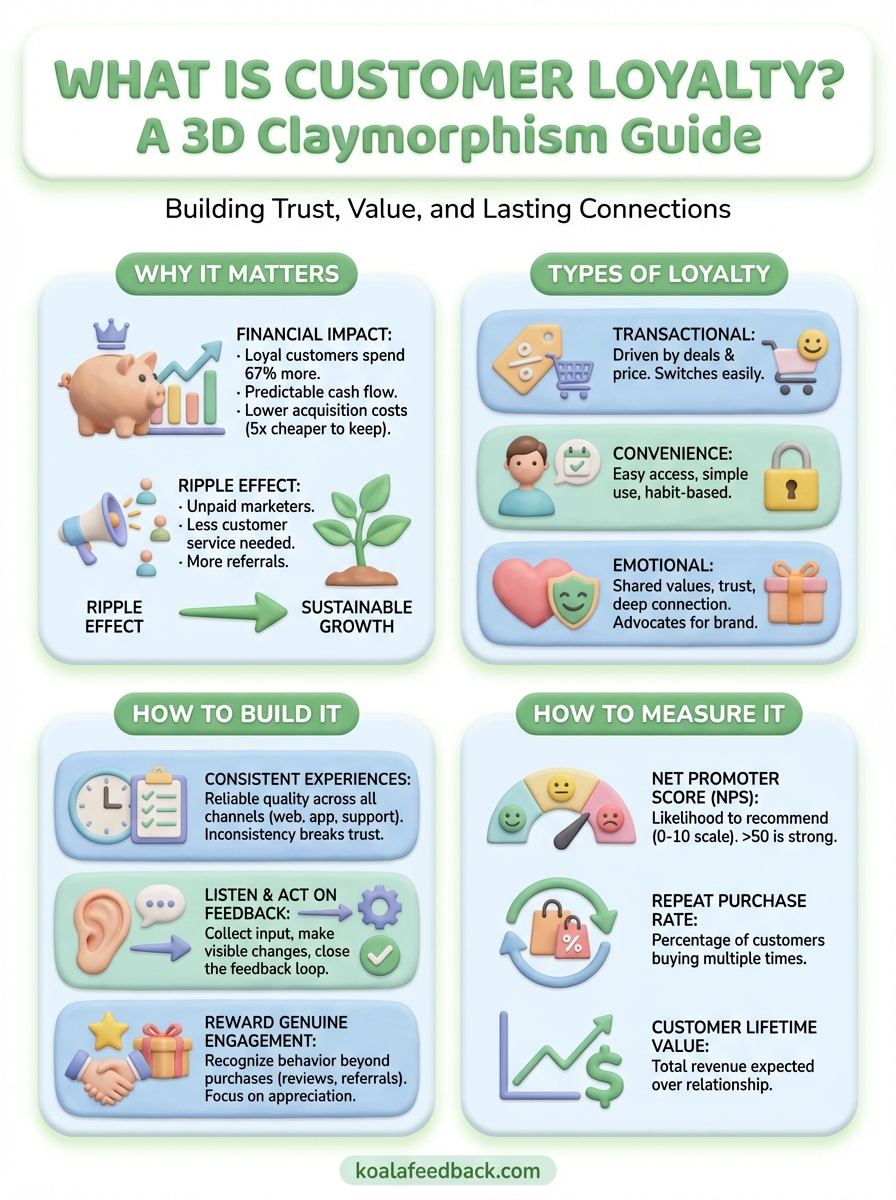
Understanding what is customer loyalty helps you see why it's crucial for sustainable growth. Acquiring new customers costs five times more than keeping existing ones, which means loyalty directly impacts your profit margins. Your loyal customers become unpaid marketers who refer friends, leave positive reviews, and defend your brand when others criticize it.
Loyal customers spend 67% more than new buyers over time. They purchase frequently, try new products you launch, and show less price sensitivity during purchases. This consistent revenue stream gives you predictable cash flow to plan expansion, invest in improvements, and weather market downturns.
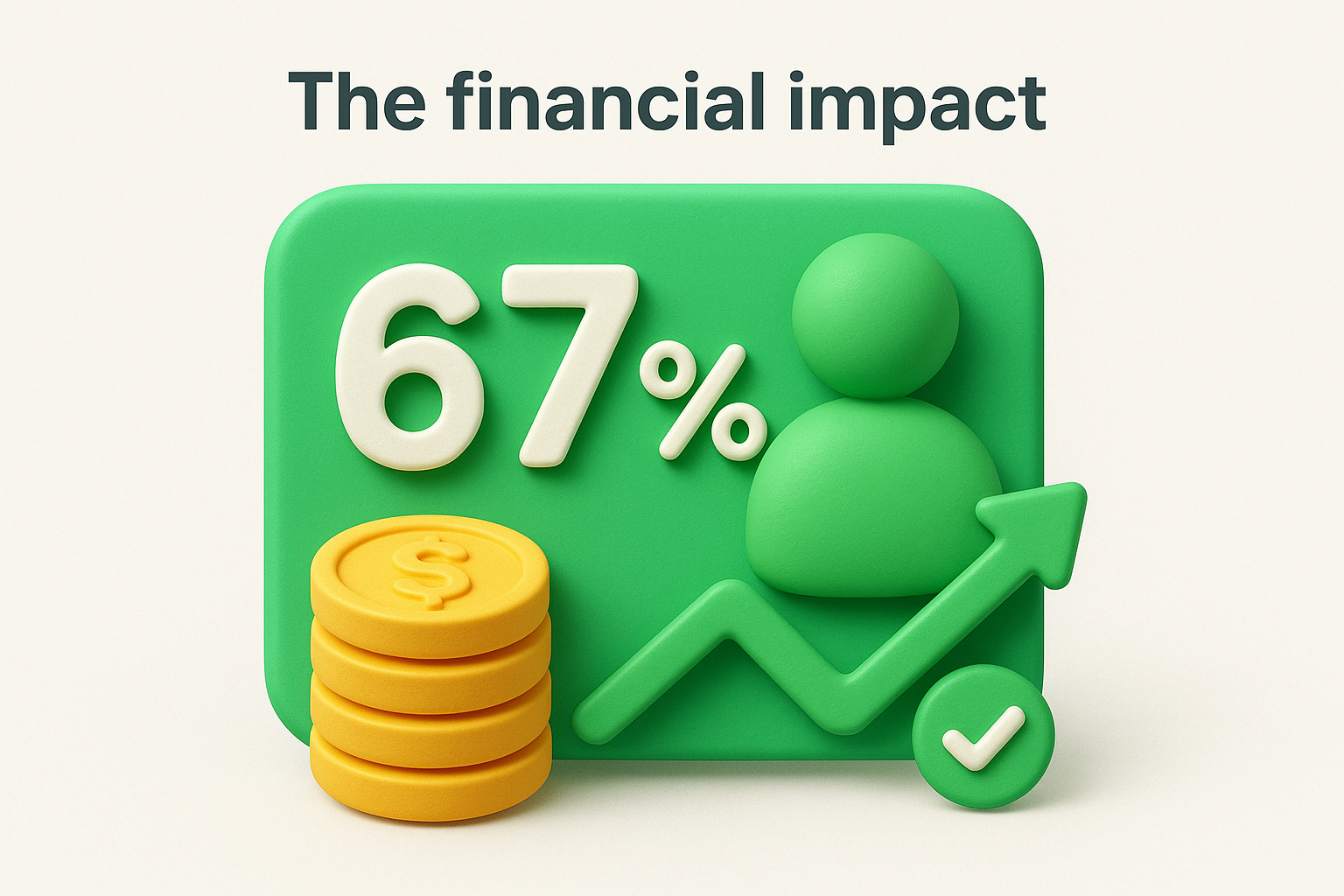
Loyal customers represent a revenue stream you can rely on, not just hope for.
Beyond direct purchases, loyalty creates compounding benefits. You spend less on customer service because repeat buyers already understand your product. Your team focuses on innovation instead of constantly replacing churned users. Each satisfied customer potentially brings three more through recommendations, multiplying your growth without increasing your marketing budget.
Building what is customer loyalty all about requires deliberate action across every customer touchpoint. You can't manufacture loyalty through discounts alone. Real loyalty grows from consistent positive experiences that make customers feel valued and understood. The strategies below help you create meaningful connections that keep buyers returning long after their first purchase.
Your customers expect reliable quality every time they interact with your brand. This means delivering the same level of service whether someone contacts you at 9 AM or 9 PM, purchases through your website or mobile app, or reaches out via email or phone. Inconsistency breaks trust faster than any competitor's offer.
Create systems that maintain quality across channels. Document your processes, train your team thoroughly, and monitor customer interactions to catch problems early. When buyers know exactly what to expect, they stop looking elsewhere.
Collecting feedback means nothing if you ignore what customers tell you. Set up simple ways for users to share their thoughts, then demonstrate you're listening by making visible changes based on their input. Close the feedback loop by telling customers what you improved because of their suggestions.
When customers see their feedback create real change, they invest emotionally in your success.
This two-way communication transforms passive buyers into active participants who feel ownership in your product's evolution. They'll stick around because they helped shape what you built.
Loyalty programs work best when they reward behavior beyond purchases. Give recognition to customers who leave reviews, refer friends, participate in your community, or provide valuable feedback. Points and discounts matter less than making people feel appreciated for contributing to your brand.
Design rewards that align with what your customers actually value. Survey your audience to learn what motivates them, then build a recognition system around those insights. Some customers want early access to features, others prefer personalized support, and many simply want acknowledgment of their loyalty.
Understanding what is customer loyalty means recognizing that not all loyal customers act the same way. Different motivations drive different types of loyalty, and each type affects your business differently. Some customers stick around for practical reasons while others form deep emotional connections. Recognizing these patterns helps you design strategies that match how your audience actually behaves.
These customers return because you offer the best deal at the moment. They compare prices, hunt for discounts, and switch brands when competitors offer better value. Your loyalty program keeps them engaged, but they lack emotional attachment to your brand. This type generates revenue but requires constant incentives to maintain.
Your product fits seamlessly into their routine, making the effort to switch feel like too much work. They stay because you're easy to access, simple to use, and reliably available when they need you. Location, integration with existing tools, or familiar interfaces keep them from exploring alternatives.
These customers genuinely care about your brand beyond what you sell. They align with your values, trust your team, and feel personally connected to your mission. This loyalty survives price increases and occasional problems because the relationship runs deeper than transactions.
Emotional loyalty creates advocates who defend your brand without being asked.
Truly loyal customers combine elements from each type, but understanding these categories helps you identify which relationships need strengthening.
Knowing what is customer loyalty means tracking the right metrics that reveal how customers actually behave. You can't improve loyalty without measuring it, and guessing based on feelings leads to wasted effort. The metrics below give you concrete data to understand where you stand and track improvements over time. Each measurement captures a different aspect of loyalty, so tracking several together creates a complete picture.
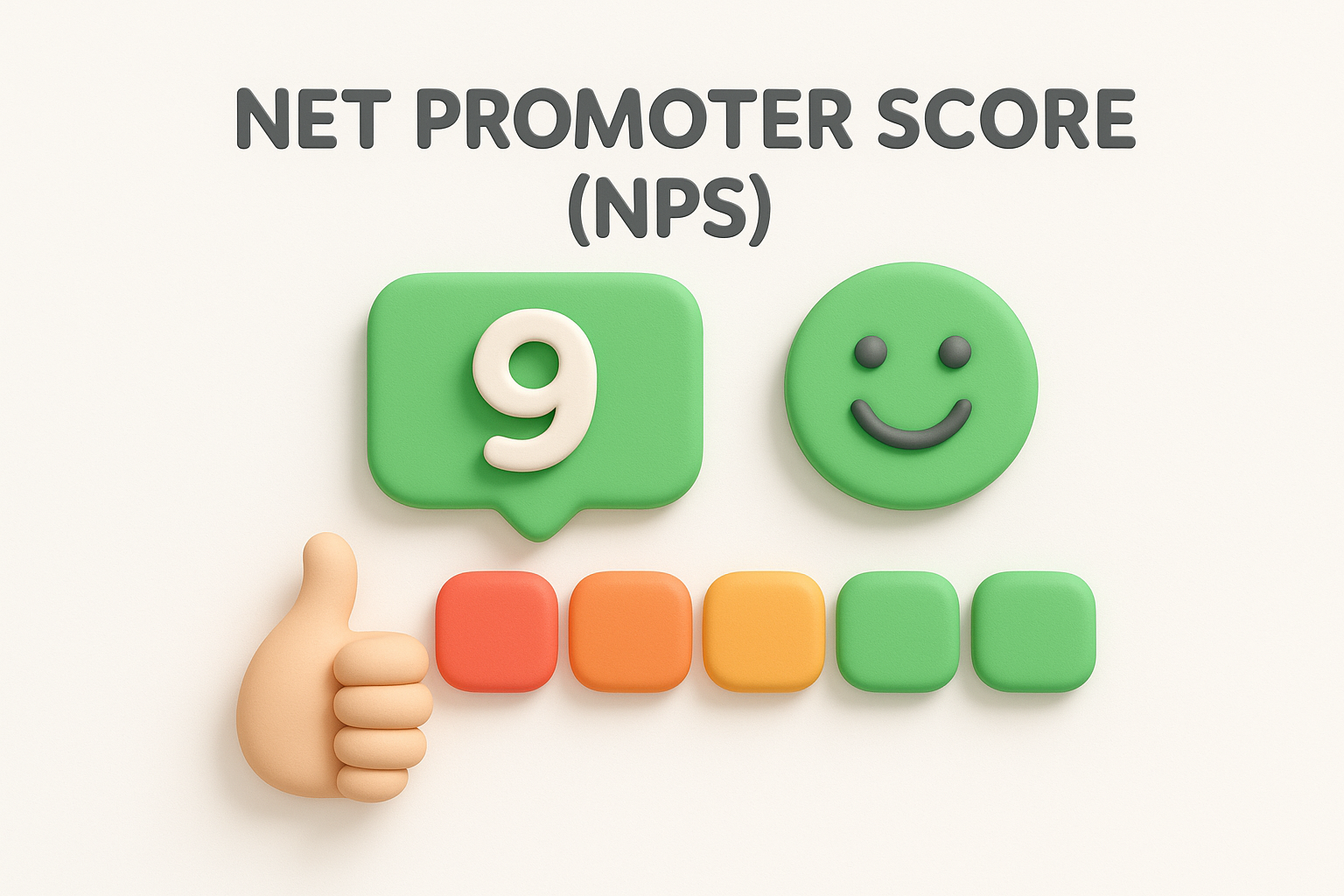
This metric measures how likely customers are to recommend you to others on a scale from 0 to 10. You calculate NPS by subtracting the percentage of detractors (scores 0-6) from promoters (scores 9-10). Scores above 50 indicate strong loyalty, while anything below 0 signals serious problems. Survey your customers quarterly to track this number and identify trends before they become crises.
Track how many customers make multiple purchases within a specific timeframe. Calculate this by dividing the number of customers who bought more than once by your total customers, then multiply by 100 for a percentage. A higher repeat rate proves you're building habits, not just making one-time sales. Compare this metric across customer segments to see which groups show stronger loyalty.
This measurement shows the total revenue you can expect from a customer throughout your entire relationship. Multiply average purchase value by purchase frequency and customer lifespan to get this number. Rising lifetime value indicates growing loyalty because customers stick around longer and spend more over time.
Tracking multiple metrics together reveals patterns that single measurements miss.
These numbers work together to show loyalty strength. High NPS with low repeat purchases suggests you're creating goodwill but failing at retention. Strong lifetime value with declining NPS warns that current customers remain loyal while new ones struggle.
Seeing what is customer loyalty looks like in practice helps you understand how different companies earn devoted customers. These examples show loyalty manifesting in various ways across industries and business models. You'll notice common patterns about prioritizing customer experience over short-term gains and creating genuine value that keeps people coming back.
Amazon built loyalty by making their service indispensable to daily life. Prime members pay annual fees for faster shipping, but they stick around because the entire ecosystem integrates into their routine. They watch Prime Video, listen to music, store photos, and get exclusive deals. This bundled experience creates switching costs that go far beyond shipping speed. Members shop on Amazon first because leaving means losing access to multiple services they've woven into their lives.
Apple maintains loyalty through predictable excellence and ecosystem lock-in. Customers who buy one Apple product often purchase others because devices work together seamlessly. Your iPhone syncs with your MacBook, your AirPods connect instantly, and your data flows between devices without friction. Beyond products, Apple creates emotional connection through design philosophy and brand identity that customers want to identify with.
Companies that integrate into customer habits build loyalty that survives competitive pressure.
Starbucks transformed coffee buying into a gamified experience that rewards frequent visits. Their app tracks purchases, offers personalized deals, and lets customers pay seamlessly. Members return because the program delivers genuine value through free drinks and exclusive benefits tied to behavior they already practice. You don't change habits to earn rewards; rewards recognize your existing loyalty.
Understanding what is customer loyalty gives you the foundation to build lasting relationships with your customers. Loyalty stems from consistent positive experiences, not from discounts or clever marketing tricks. You earn it by listening to feedback, acting on what you learn, and creating value that goes beyond your product's core features.
The metrics and strategies covered here work together to create a complete loyalty system. Track your Net Promoter Score, monitor repeat purchases, and calculate lifetime value to see where you stand. Then apply the building strategies that match your audience's needs and motivations.
Your customers' feedback holds the blueprint for stronger loyalty. Collecting and acting on their input shows you value their voice in shaping your product. Koala Feedback helps you gather and prioritize customer feedback so you can build what matters most to the people who already trust you. Start listening better today, and you'll see loyalty grow naturally from the relationships you strengthen.

Start today and have your feedback portal up and running in minutes.